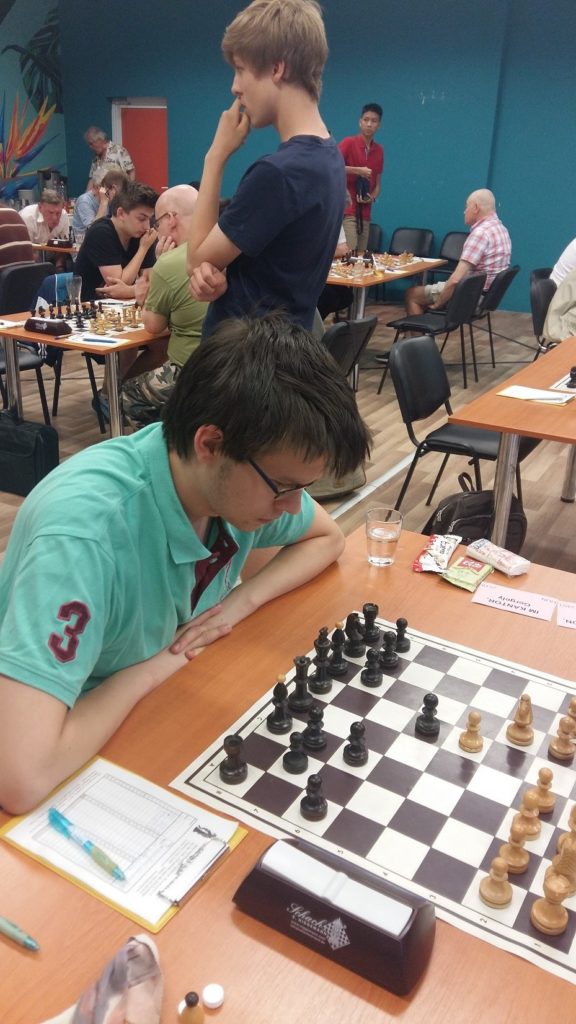



I GRYFICKI FESTIWAL SZACHOWY GRYFICE, 8–15.09.2019
Szanowni Państwo!
Zapraszamy do wzięcia udziału w I Gryfickim Festiwalu Szachowym, podczas którego chcemy pokazać wartość gry w szachy jako narzędzia kształtującego myślenie i charakter.
Pragniemy przy tym połączyć doświadczenia ludzi różnych pokoleń.
Stwarzamy też okazję do refleksji nad rolą strategicznego myślenia w naszym życiu.
1. Cele:
- umożliwienie szachistom zdobycia wyższych kategorii szachowych
- popularyzacja szachów
- promocja gryfickiego szkolnictwa
- promocja myślenia strategicznego wśród dzieci, młodzieży i dorosłych
- promocja miasta Gryfice i Ziemi Gryfickiej
- integracja pokoleń
- Organizator: Zachodniopomorska Szkoła Biznesu w Gryficach
3. Współorganizatorzy:
- Uczniowski Klub Sportowy „Szach” w Gryficach
- Portal pl
- Centrum Edukacyjne Top Link Gryfice
- Uczniowski Klub Sportowy Top Link Gryfice
4. Partnerzy i sponsorzy:
- Burmistrz Gryfic
- Starostwo Powiatowe w Gryficach
- pl
- Browar Folga w Gryficach
- Centrum Rozrywki Rodzinnej Kapitol w Gryficach
- Nadmorska Kolej Wąskotorowa
- Patronat medialny: pl
www.egryfice.pl/gryficki-festiwal-szachowy
- Termin: 8–15.09.2019 r.
- Miejsce: Zachodniopomorska Szkoła Biznesu w Gryficach, 72–300 Gryfice, ul. Piłsudskiego 34, sala 101
8. Turnieje:
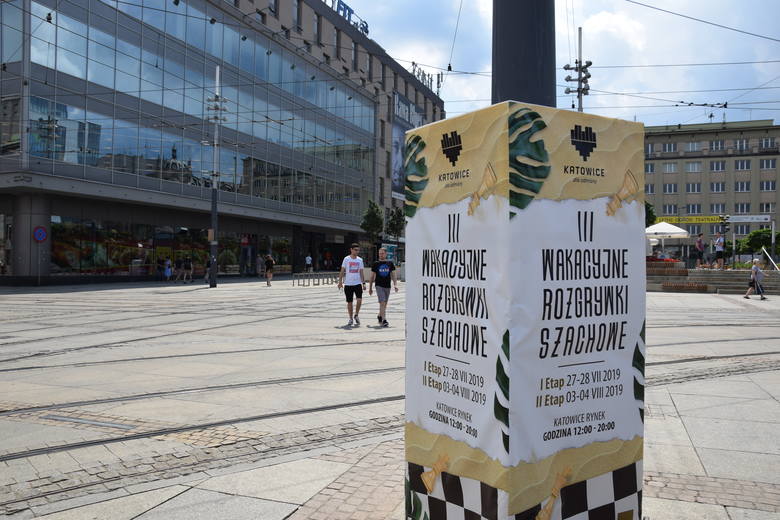
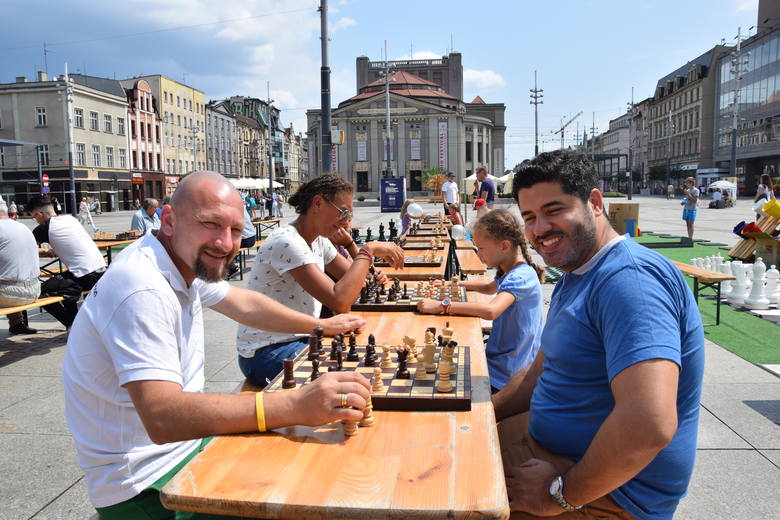
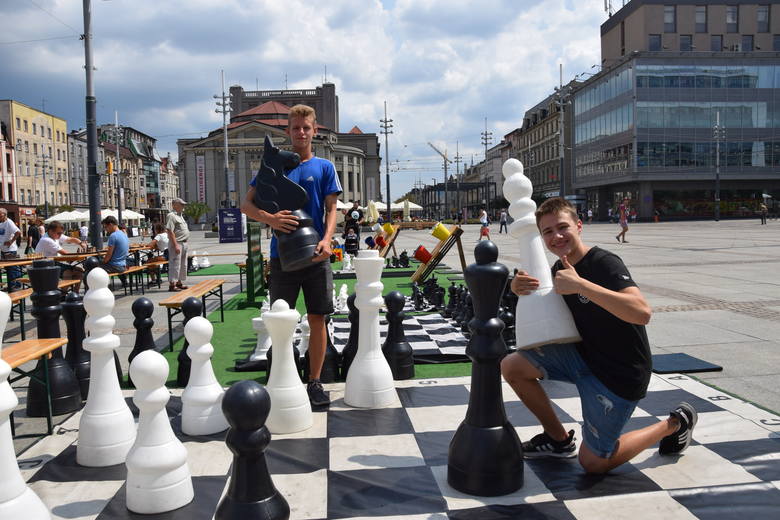
- Preludium festiwalu: turniej błyskawiczny na gryfickim rynku, tempo: 3’+2”
- A1, A2: turnieje kołowe z normą kandydata na mistrza i I kategorię, tempo: 90’/40 posunięć +30’+30” na posunięcie
- B: Turniej kołowy na II i III kategorię, tempo – 90’+30”
- C: Turniej szwajcarski na IV kategorię
- Epilog: turniej open szachów szybkich, tempo – 10’+5”.
Turnieje A i B oraz szachów szybkich są zgłoszone do oceny rankingowej FIDE.
Uczestnicy turniejów A1 i A2 będą uszeregowani wg rankingu FIDE z dnia 1.08.2019 r. Osoby „nieparzyste” grają w turnieju A1, a osoby „parzyste” w turnieju A2.
Organizator zastrzega sobie prawo dopuszczenia do każdego turnieju jednej osoby nie spełniającej warunków uczestnictwa, jeżeli nie spowoduje to zna- czącego utrudnienia uzyskania kategorii szachowej.
Podczas partii kontakty dzieci z rodzicami, trenerami lub opiekunami dozwolone są tylko w obecności sędziego.
9. Uczestnictwo:
W turniejach uczestniczyć mogą wszyscy chętni szachiści, bez względu na wiek, w ramach limitu miejsc na każdy turniej, po uzgodnieniu udziału z organizatorem w terminie do 10 sierpnia. Wymóg zgłoszenia do 10 sierpnia nie dotyczy turniejów: błyskawicznego i szachów szybkich.
Zgłoszenia można dokonać poprzez stronę www.chessarbiter.com.
Bezpośredni kontakt: Wojciech Kwocz, tel. +48 733-478-957.
Dyrektor Festiwalu: Grażyna Maniak – ZPSB.
11. Wicedyrektorzy Festiwalu:
- Wojciech Kwocz, kwocz@gmail.com
- Jan Przewoźnik, jp@janprzewoznik.pl
- Sędzia główny: Kazimierz Łaszewski – National Arbiter
13. Witryny internetowe:
- gryfickifestiwalszachowy.vg1.pl
- http://www.chessarbiter.com/turnieje/2019/ti_3109/
- http://www.chessarbiter.com/turnieje/2019/ti_3110/
- egryfice.pl/gryficki-festiwal-szachowy
14. Szczegółowy terminarz (turnieje: A1, A2, B):
- Przyjazdy: od 8.09.2019 (bursa dostępna od 14.00).
- Odprawa techniczna: 09.2019 r., godz. 20.00 na sali gry, nr 101.
| Data | Wydarzenie |
| Niedziela 8.09. | Turniej błyskawiczny: godz. 16.00 Plac Zwycięstwa w Gryficach |
| Poniedziałek 9.09. | A1, A2, B: I runda godz. 9.00
A1, A2, B: II runda godz. 16.00 |
| Wtorek 10.09. | A1, A2, B: III runda godz. 9.00
A1, A2, B: IV runda godz. 16.00 |
| Środa 11.09. | A1, A2, B: V runda godz. 9.00 |
| Czwartek 12.09. | A1, A2, B: VI runda godz. 9.00
A1, A2, B: VII runda godz. 16.00 |
| Piątek 13.09. | A1, A2, B: VIII runda godz. 9.00
Turniej C godz. 14.00 |
| Sobota 14.09. | A1, A2, B: IX runda godz. 9.00
Turniej C godz. 9.00 Ceremonia zamknięcia – ok. godz. 14.00 |
| Niedziela 15.09. | Turniej szachów szybkich: godz. 10.00 |
Turniej C odbędzie się w Centrum Edukacji Top Link, Gryfice, ul. Kościuszki 19.
15. Grupy turniejowe i wpisowe (z opłatą rankingową PZSzach.):
- Turnieje A: wpisowe 50
- Turniej B: wpisowe: 50
- Turniej C: wpisowe: 20
16. Informacje dodatkowe:
We wszystkich turniejach obowiązywać będą aktualne przepisy FIDE.
Zawodnik, który spóźni się na rundę więcej niż 30 minut przegrywa partię.
Festiwal jest turniejem dbającym o podtrzymanie wizerunku szachów jako wzorca uczciwej dyscypliny sportowej. Istotne naruszenia etyki lub zasad ry- walizacji sportowej nie będą tolerowane. W celu ochrony zawodników przed nieuczciwą postawą innych uczestników turnieju, zgodnie z zaleceniami FIDE, Sędzia Główny powinien:
- uznać partię za obustronnie przegraną, jeśli jest przekonany, że wynik był uzgodniony przed rozpoczęciem gry; ocena tego, co jest dowodem pozostaje w gestii Sędziego Głównego;
- w porozumieniu z Dyrektorem Festiwalu zarządzić dokonanie przeszukania zawodnika oraz rzeczy do niego należących, jeżeli istnieje uzasadnione podej- rzenie, że zawodnik korzysta z pomocy elektronicznej lub osób trzecich.
17. Informacje o hotelach:
Dokonanie opłaty wpisowego i opłaty za noclegi w terminie do 15.08.2019
przelewem na konto ZPSB: 21 1240 3842 1111 0000 3081 9544, z dopiskiem „Gryficki Festiwal Szachowy”.
Zapłacone wpisowe i opłata za noclegi nie podlegają zwrotowi.
Głównym miejscem noclegu organizatora jest Bursa ZPSB – Gryfice,
- Piłsudskiego 34; w tym samym budynku, gdzie mieści się też sala gry.
Rezerwacja: tel. 91 38 77 098 ; e-mail: gryfice@zpsb.pl
Cena zakwaterowania w pokoju jednoosobowym wynosi 60 PLN brutto od osoby dziennie. Cena zakwaterowania w pokoju dwuosobowym wynosi 35 PLN brutto od osoby dziennie. W pokoju znajdują się dwa oddzielne łóżka. Istnieje możliwość dokwaterowania dodatkowej osoby (dwuosobowa wersal- ka) w cenie 20 zł.
Informujemy o możliwości zakwaterowania w gryfickich hotelach – bez dodat- kowych opłat na rzecz organizatora. Prosimy o powołanie się na I GFS.
- Browar Folga, 72-300 Gryfice, Nowy Świat 8
www.browarfolga.pl, +48 531 790 144
- Kapitol, 72-300 Gryfice, ul. Niepodległości 48
www.kapitol-gryfice.com/pokoje.html
18. Nagrody:
Grupa A1
- I miejsce – 600 PLN
- II miejsce – 300 PLN
- III miejsce – 200 PLN
- IV miejsce – 100 PLN
- V miejsce – 50 PLN
- Grupa A2
- I miejsce – 600 PLN
- II miejsce – 300 PLN
- III miejsce – 200 PLN
- IV miejsce – 100 PLN
- V miejsce – 50 PLN
- Grupa B
- I miejsce – 300 PLN
- II miejsce – 150 PLN
- III miejsce – 100 PLN
- IV miejsce – 50 PLN
Grupa C – Nagrody rzeczowe
Trzy nagrody za trzy najpiękniejsze partie festiwalu – po 100 PLN każda. Zainteresowani zawodnicy przedstawiają Sędziemu Głównemu zapis partii wraz z uzasadnieniem.
Uwagi
- Upominki otrzymają wszystkie dzieci do 12 lat uczestniczące w I Gryfickim Festiwalu
- Wysokość nagród podana jest w kwotach Zgodnie z przepisami obowiązującymi w Polsce, nagrody do 760 PLN (równowartość ok. 170 euro) zwolnione są z podatku.
Podatek od pozostałych nagród wynosi 10%.
- Przy dzieleniu miejsc nagrody są dzielone.
Nagrody nie odebrane osobiście podczas ceremonii zakończenia I Gryfickiego Festiwalu szachowego przepadają.
- Imprezy towarzyszące
Podczas festiwalu odbędą się imprezy towarzyszące, m.in.:
- Turniej błyskawiczny
- Turniej „na komendę” (białe – ruch; czarne – ruch)
- Symultana z mistrzem międzynarodowym (z zegarami)
- Prelekcja dla rodziców i nauczycieli na temat wartości szachów
- Wieczorne pokazy filmów szachowych
- Konkurs gier matematycznych i logicznych
- Turniej kręgli w Centrum Rozrywki Rodzinnej Kapitol
- Rozmowy szachowe z degustacją lokalnego piwa w Browarze Folga
- Przejazd kolejką wąskotorową (z partią konsultacyjną po drodze)
- Ubezpieczenie: Zawodnicy na czas zawodów ubezpieczają się we własnym zakresie.
21. Postanowienia końcowe
- Zgłoszenie się do turnieju jest równoznaczne z zaakceptowaniem pos- tanowień niniejszego Komunikatu
- W przypadkach spraw nieuregulowanych w niniejszym komunikacie, ostateczną decyzję podejmuje Sędzia Główny (w sprawach sporto- wych) oraz Dyrektor Festiwalu (w sprawach organizacyjnych).
- Ostateczna interpretacja niniejszego Komunikatu Organizacyjnego na- leży do Sędziego Głównego (w sprawach sportowych) oraz Dyrektora Festiwalu (w sprawach organizacyjnych).
- Uczestnicy biorący udział w turnieju wyrażają zgodę na przetwarzanie swoich danych osobowych również na potrzeby przyszłych rekrutacji, zgodnie z art. 6 ust. 1 lit. a Rozporządzenia Parlamentu Europejskiego i Rady (UE) 2016/679 z dnia 27 kwietnia 2016 w sprawie ochrony osób fizycznych w związku z przetwarzaniem danych osobowych i w sprawie swobodnego przepływu takich danych oraz uchylenia dy- rektywy 95/46/WE (ogólne rozporządzenie o ochronie danych). Orga- nizator zastrzega sobie prawo do nieodpłatnego wykorzystania mate- riałów audiowizualnych zrealizowanych podczas turnieju.
- Osoby niepełnoletnie biorą udział pod opieką rodziców lub opiekunów.
- Organizatorzy zapewniają sprzęt szachowy dla uczestników.
- W sprawach nie objętych niniejszym komunikatem należy stosować przepisy kodeksu szachowego; w kwestiach spornych wyłączność in- terpretacji posiada sędzia główny zawodów. Organizatorzy nie odpo- wiadają za żadne szkody związane z udziałem zawodników w
- Organizatorzy zastrzegają sobie prawo do zmian w regulaminie
Dyrektor Festiwalu – prof. Grażyna Maniak